We can run the whole response. Or hand you the queue. Either way, the clock is covered.
MouldWatch and the Quidos Protect field network can investigate, fix, and verify every damp-and-mould case for you - alerts answered by a staffed desk 24/7/365, no extra load on your team. Or run it your way: the same triage, dispatch, and after-the-fix checks, built around Awaab's Law and worked by your own people. Every case arrives with its deadline already counting, the household's vulnerability already flagged, and ready to send to a team in one click.
Awaab's Law deadlines (England) - counted in working days.
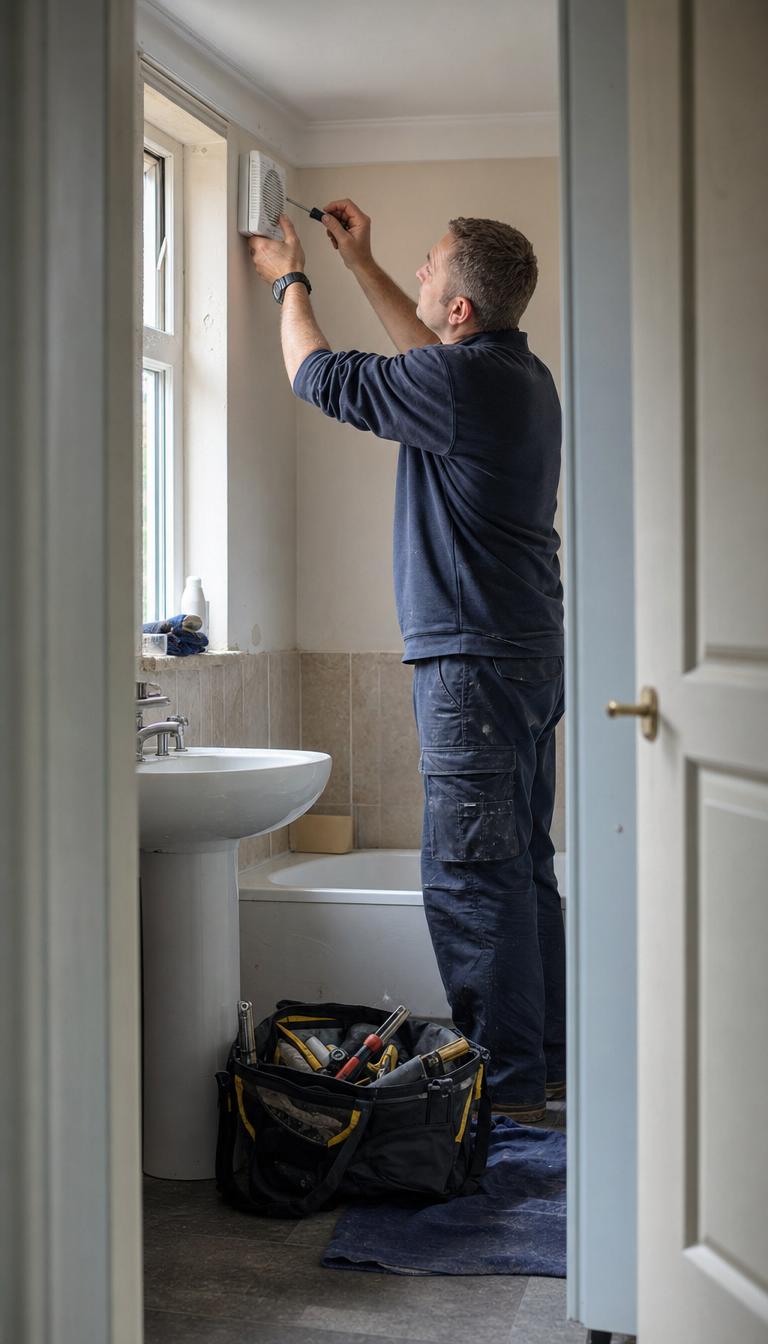
Thousands of alerts? Only if you ask for them.
The commonest worry we hear from housing teams: "we'll get thousands of alerts we can't process." So the service is built so the triage burden sits exactly where you choose - with your team, shared, or nowhere near you at all. Pick a mode to see who does what.
Sensors + software. Your systems, your people - with the early warning and the proof behind them.
Your team, in your systems. Graduated risk states, your routing rules, and a full audit trail on every alert.
Your surveyors and contractors - every visit starts with the sensor trend as a head start, not a blank page.
Everything - it is your queue. The model keeps it short: sustained patterns only, and most homes stay green.
Your team in office hours. The 24/7/365 operations centre takes the nights, weekends, and the winter surge.
Split by rule you set: out-of-hours and surge alerts go to the staffed desk; office-hours alerts stay with your team.
Case by case - dispatch to the Quidos Protect network in one click, or keep the visit in-house.
Your live queue, plus a log of everything the desk handled overnight - decisions to read, not noise to process.
The whole response, end to end. MouldWatch and Quidos Protect run it; you govern it.
The Quidos Protect operations centre in Cardiff - staffed 24/7/365, trained triage scripts, every contact logged into the case.
The national field network investigates, makes safe, fixes the root cause, and verifies - inside the statutory windows.
Only the escalations that need your decision, plus the governance report. Zero unprocessed alerts.
Move between modes at any time - same record, same clock, nothing relearned. How alerts stay quiet in every mode →
Less firefighting. More finishing.
Fewer revisits, more closed cases.
Each investigation arrives with the trend data, not just "there's mould in the corner." So the first visit is usually the right one. Is it ventilation, insulation, a leak, or a design fault? The sensor history points to the likely cause before the van leaves the depot.
The right cases first, every time.
Every alert is scored against who lives in the home, not just what the sensor says. The queue promotes vulnerable households to the top - in line with the guidance that says vulnerability is taken at face value.
Hand us the whole job, or any part of it.
Send a single case to the Quidos Protect national field network in a click, or hand us the entire damp-and-mould caseload to run end to end. Same evidence record, same clock, same finish quality. No separate contract juggling - and no need to staff up to meet the windows.
Post-remediation data confirms it stuck.
Sensor readings after the fix confirm the home has stabilised. A case doesn't close on a signature - it closes on the numbers. That is proof the repair actually worked, strong enough to put in front of the Ombudsman.
Every case carries its own countdown.
The queue isn't sorted by how old a case is. It's sorted by how close the deadline is - and by how vulnerable the household is. When three cases tie on the clock, the queue promotes the one with an elderly resident, a young child, or a documented respiratory condition.
- In windowClock ticking, plenty of room. Normal workflow.
- Approaching deadline48 hours from the deadline. Moved up the queue. Team lead alerted.
- Outside windowEscalated straight away. We check whether the resident needs to be moved out temporarily. Repairs start at the same time.

We do the work - all of it, or just the surge.
Hand us the whole damp-and-mould response and the Quidos Protect national field network runs it end to end. Or call on it when winter caseloads spike. Either way, you get qualified investigators and remediators who already understand the MouldWatch case format, the Awaab's Law windows, and the evidence-pack requirements.
You decide how much to hand over. The network handles the visit, the works, and the post-fix verification - while you keep full visibility. One record. One timeline. No handoff gaps.
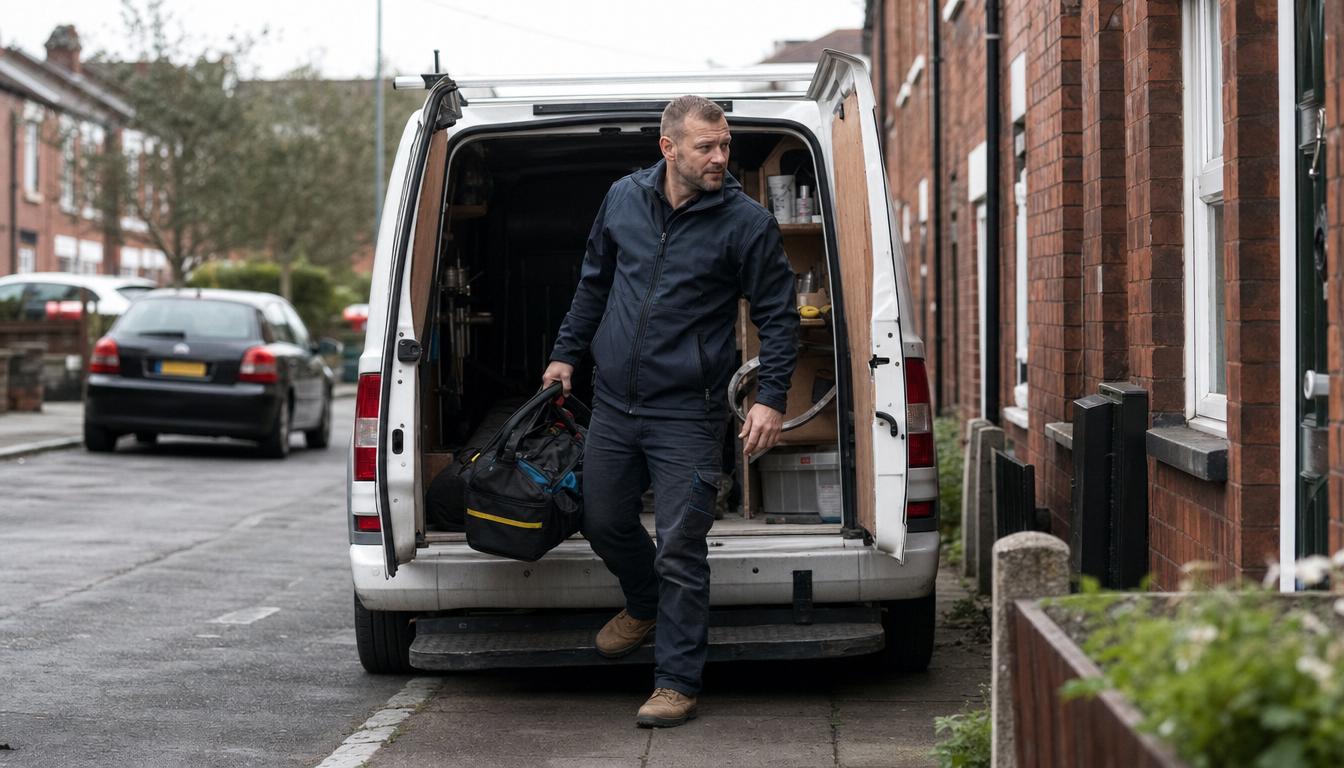
The remediation ends when the numbers agree.
After the works complete, the sensors keep watching. The risk score re-checks daily. If humidity settles and the mould-risk signal stays low through the next winter heating period, the case closes as verified. If it doesn't, the case re-opens automatically - before the resident has to call.
This is the difference between "the repair happened" and "the problem ended."
A 30-minute walk through the workflow, against your real caseload.
Bring your current damp-and-mould queue. We'll show how it looks in MouldWatch: triage, dispatch, where each case stands against its deadline, and evidence export. An honest view of what your team keeps control of and what we can take off your plate entirely.