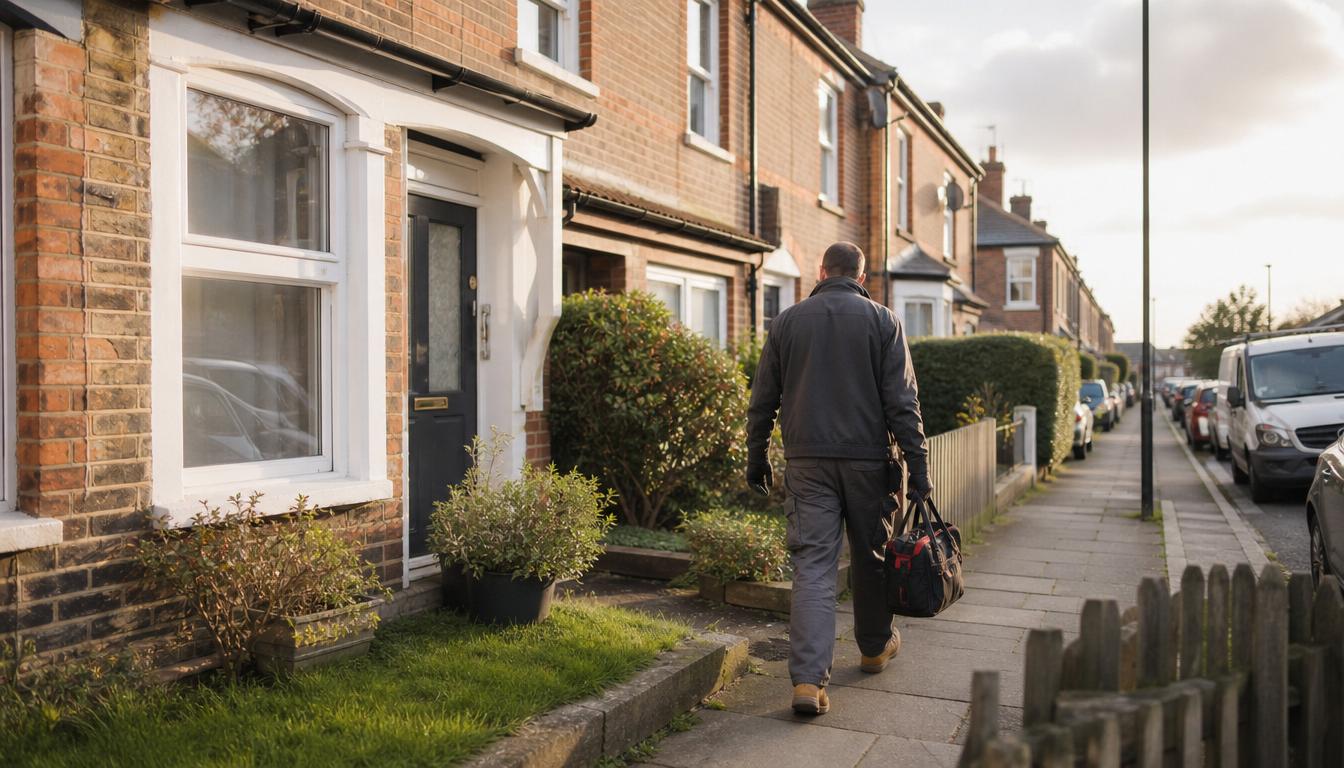
Emergency
24
hours
Emergency hazard
Investigate and make safe.
Built for Awaab's Law, starting with damp and mould and growing as the law does.
MouldWatch spots the risk of damp and mould weeks before it shows, then takes it all the way to fixed and proven. We can run the whole job for you, or you can run it yourself with our sensors and software.
Both options use the same sensors, the same early warning, and the same audit-ready record. The difference is who answers the alerts and who does the repairs: us, or your own team.
We fit the sensors and watch for risk. A staffed triage desk answers every alert, 24/7/365. When a home needs work, our field network across England and Wales goes in, finds the cause, fixes it and checks the home has recovered, then hands you one audit-ready report. It all sits under one contract.
See the full serviceTake the sensors, the risk alerts and the evidence record on their own. They plug into your systems, and your own team and contractors do the repairs. You catch the risk early and have the record to prove what you did.
See the sensors + softwareNot sure which fits? You can switch between the two at any time and keep the same record.
We never blame the resident's "lifestyle" or "behaviour" for damp and mould. We look for the real cause, every time - the same approach the Housing Ombudsman expects.
A fine-tuned risk model flags mould risk weeks before mould appears, so triage starts from the sensor evidence.
Every alert arrives with its legal deadline already counting down - 24 hours, 10 working days, 3 working days, 5 working days, tracked for each case.
of social-rented households report condensation, damp or mould in the home
of the Housing Ombudsman's casework is now dominated by damp and mould (Oct 2024)
landlords received a severe maladministration finding in 2024-25
These are the deadlines for dealing with damp and mould in social housing in England. They are set in law by The Hazards in Social Housing (Prescribed Requirements) (England) Regulations 2025.
Investigate and make safe.
Investigate damp and mould.
Send the summary to the resident.
Complete the make-safe on site.
Six steps from the first sensor reading to the record that proves the fix. On full service we run every step. If you run it yourself, your own team and contractors handle the alerts, visits and repairs.
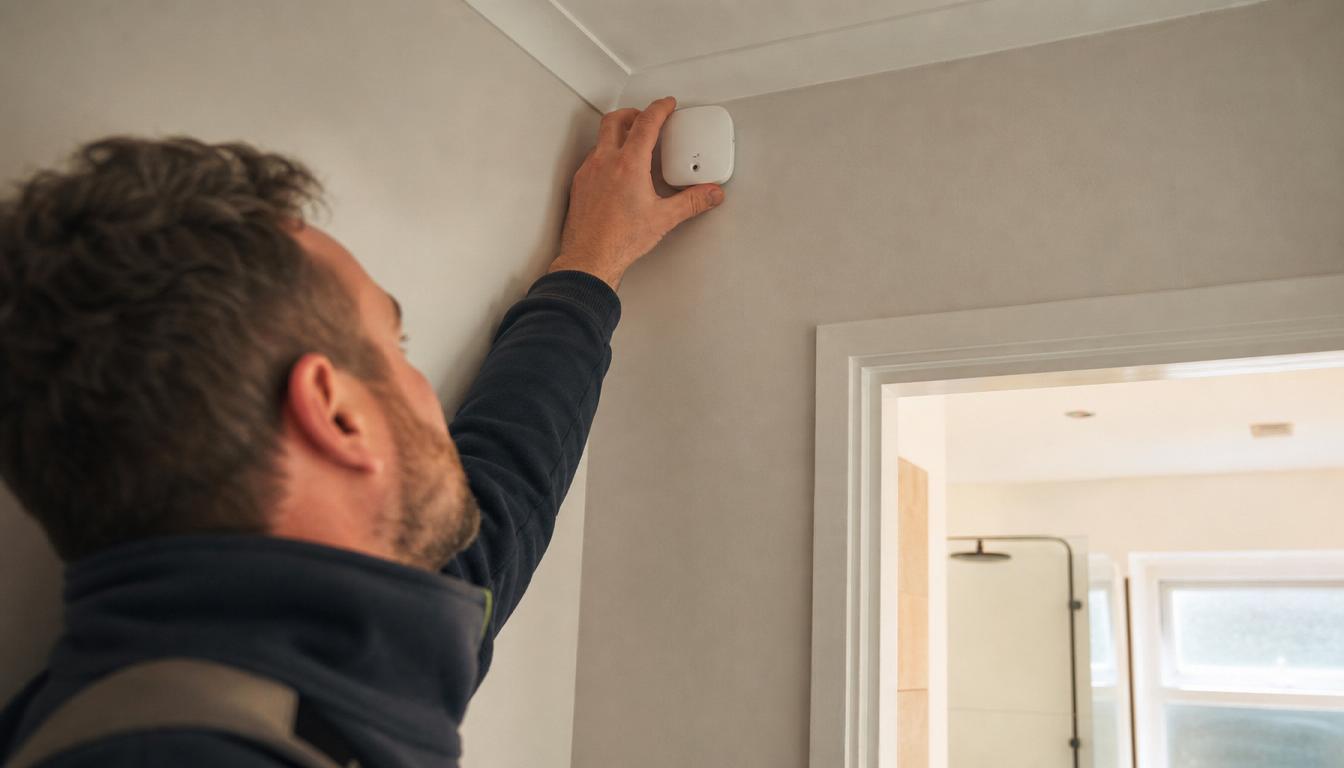
Battery-powered environmental sensors in every bedroom and the main living area report temperature and humidity over a low-power UK-wide network.
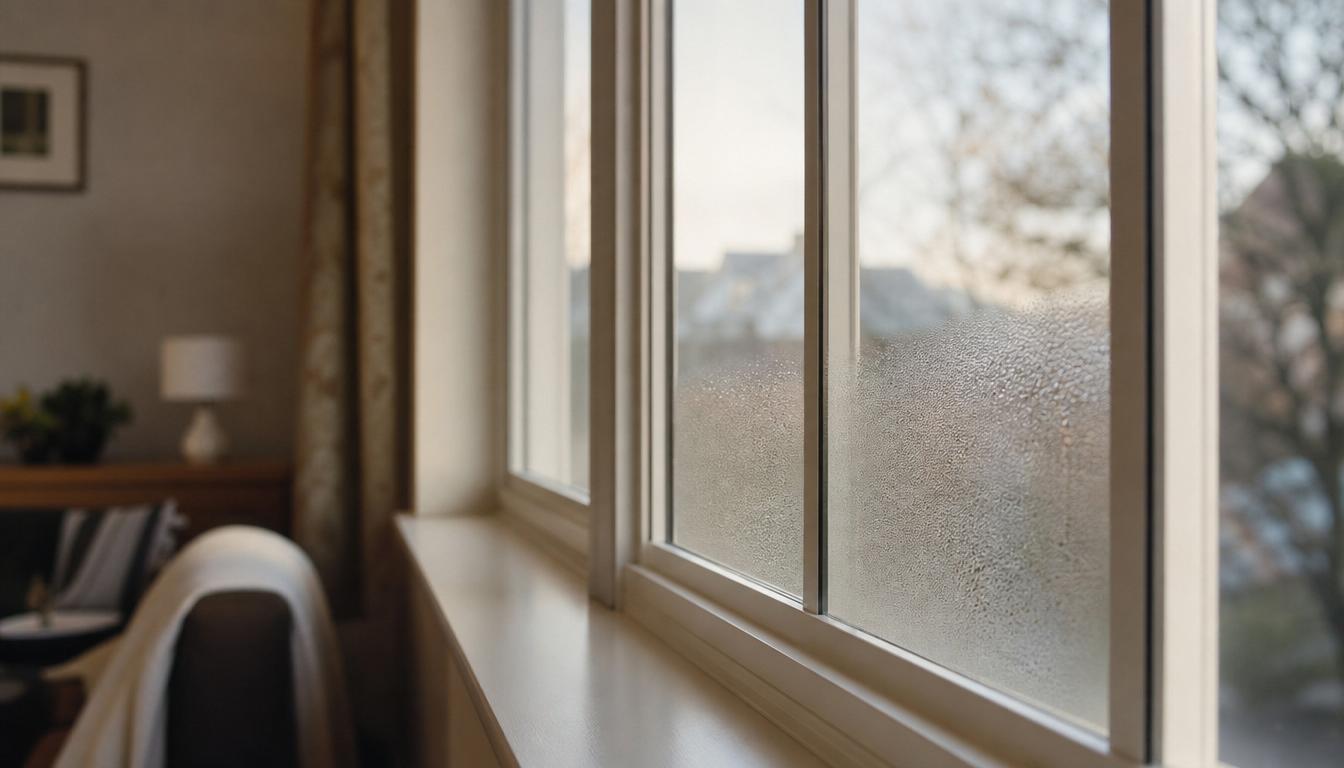
A fine-tuned mould-risk algorithm fuses sensor readings with external weather and building characteristics, flagging risk weeks before visible mould.

Alerts land in a case-management queue with the statutory clock already attached, so the right people act inside the window.
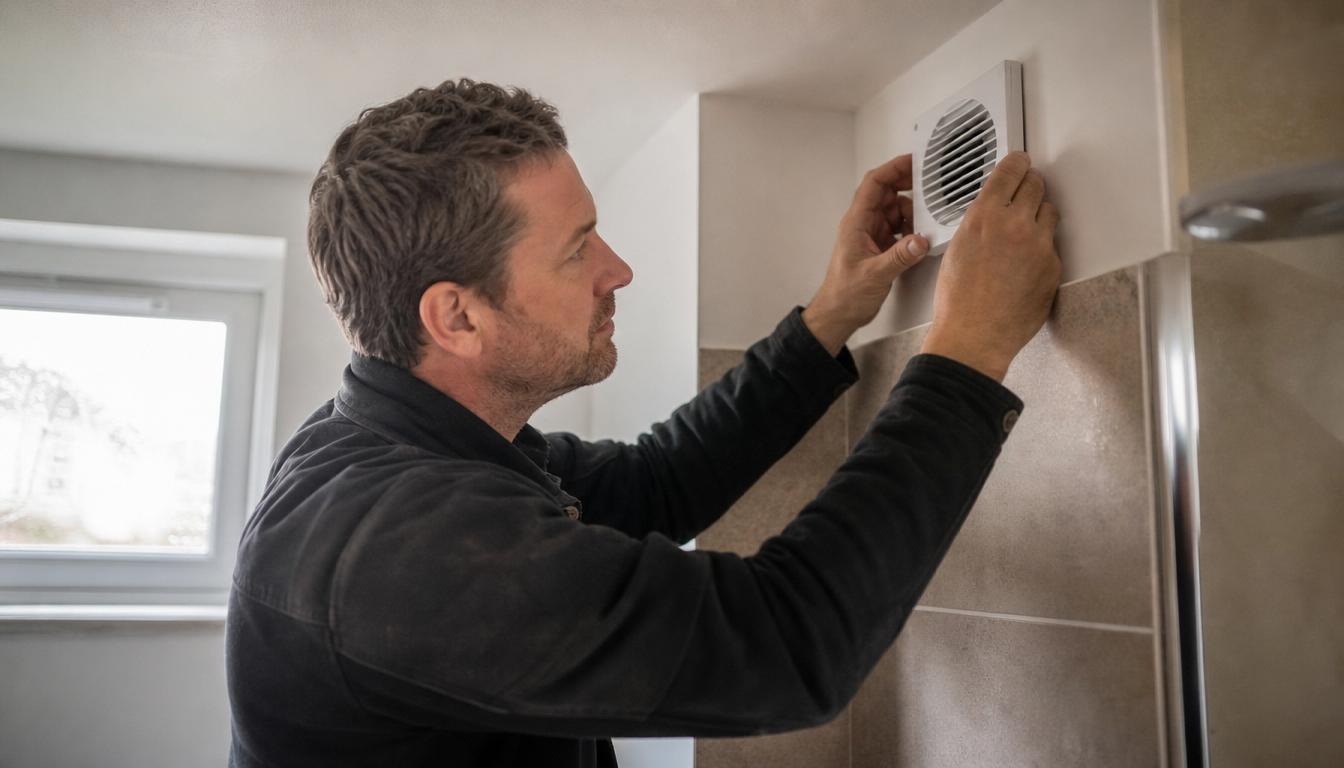
Our national field network is dispatched to investigate on the ground, with the sensor trend as evidence.
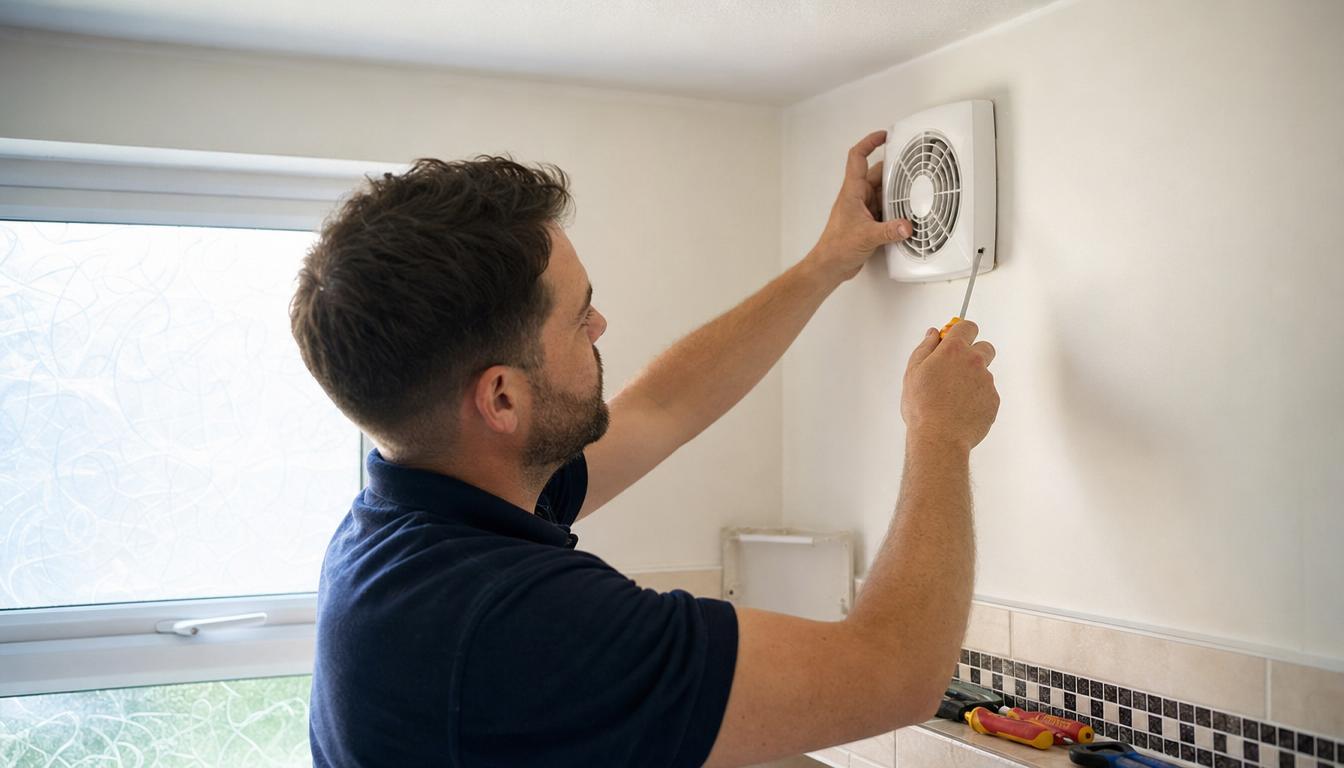
We fix the root cause, whether that's ventilation, insulation, a leak or the design of the home. Sensor data after the fix confirms the home has stabilised.

A timestamped, audit-ready record of every sensor reading, alert, action, and fix - ready for the Ombudsman, the Regulator, or the courts.
Awaab's Law is there to keep residents safe, and MouldWatch is designed around the people it protects.
Every alert is triaged against who lives in the home as well as what the sensor reads.
Vulnerability is taken at face value. MHCLG's guidance says a tenant does not need documented medical evidence to be considered at risk, and our triage works the same way.
Residents are never blamed. The Housing Ombudsman called for "zero tolerance" on this in 2021, and it's built into the product.
UKHSA estimates around 2 million people in England live in homes with significant damp or mould, and ethnic minority and disadvantaged groups are disproportionately affected.
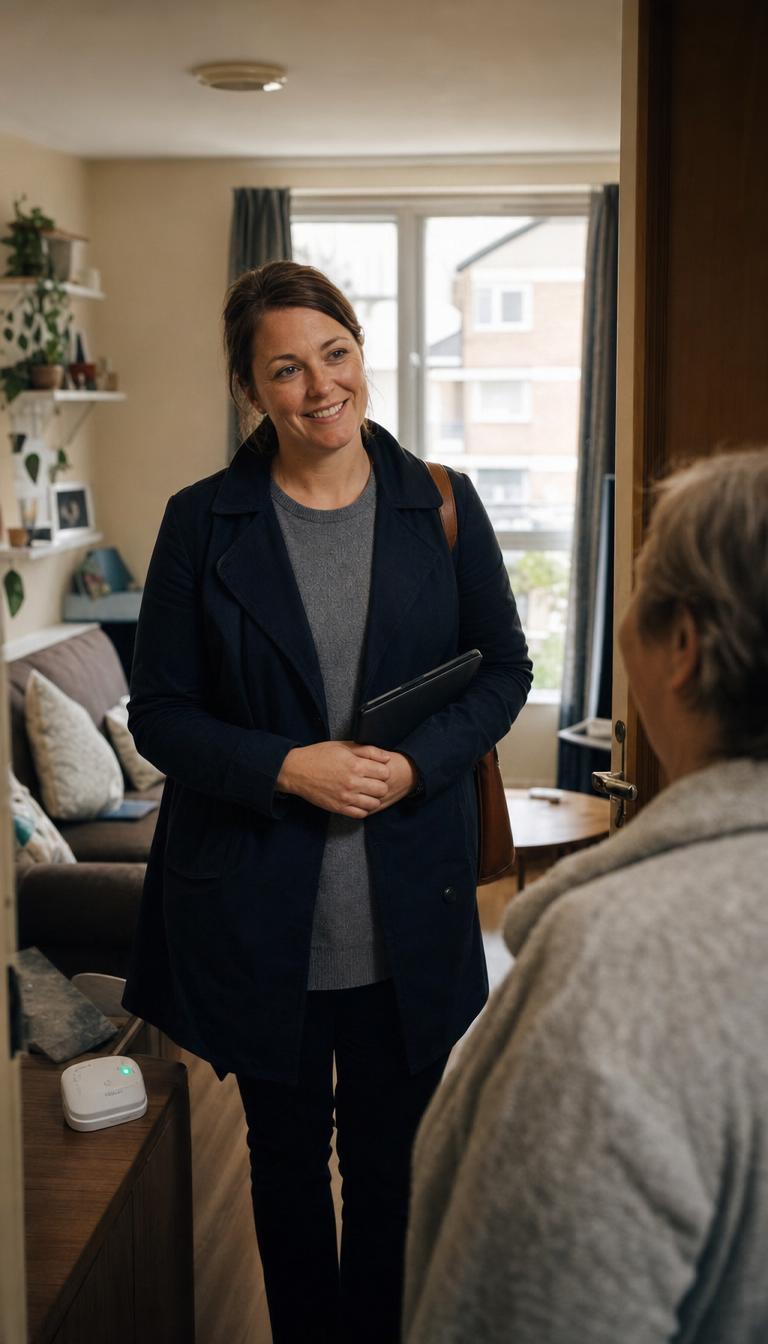
Your deadlines are already running. See how it works for you.
For social landlords Private landlordsThe law is being extended to the private rented sector, and the start date is still to be set.
For private landlordsSee MouldWatch in action, get the compliance briefing, and find out whether it fits your stock. Contracted with four housing associations across England and Wales.