We do the work, from the first alert to the signed-off repair.
Our sensors warn you early and a staffed desk answers every alert, 24/7/365. When a home needs work, our field teams find the cause and fix it, and Quidos trains the people who do it. MouldWatch and Quidos run every step as one service.
Tether builds the sensors, the risk model, and the software. Quidos Protect brings a national response platform: a 24/7/365 operations centre, a field and remediation network, and a damp-and-mould training scheme.
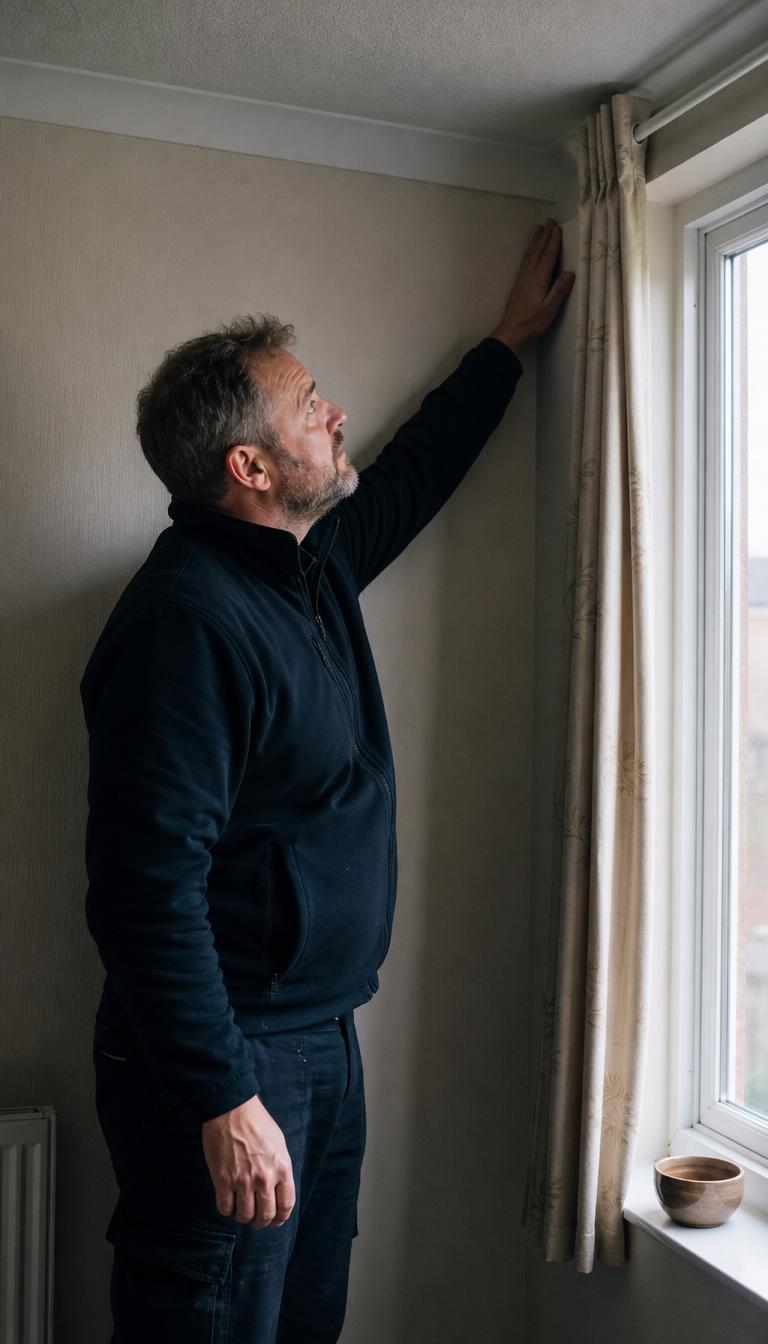
The five parts of the job, and who does each.
Most vendors cover one or two of these, such as a sensor, a dashboard or a ventilation install. We run all five, each delivered by a named partner, and because one case record runs through every step, they come as one service.
- Detect
The sensors, the model, and the alert.
MouldWatch puts room-level environmental sensors in the homes that need them. A fine-tuned risk model fuses sensor readings, local weather, and building characteristics to flag mould risk weeks before it is visible. Alerts arrive with the statutory clock already attached.
Delivered by MouldWatch (Tether) - Respond
The alert answered, any hour of the year.
Every alert and resident report lands with a staffed triage desk: the Quidos Protect operations centre in Cardiff, on call 24/7/365 and already handling more than 80,000 calls and visits a year. Trained handlers grade severity and vulnerability, escalate what is urgent, and log every contact into the case record. Your team never has to process the noise.
Delivered by Quidos Protect operations centre - Diagnose
The investigation, by people who know the stock.
When a case needs an in-person investigation, the Quidos Protect national field network takes it on. Its qualified surveyors know the property types they visit and are trained in the MouldWatch case format, so the evidence record stays intact from alert to site visit.
Delivered by Quidos Protect field network - Fix
The remediation, aimed at the cause.
Ventilation, insulation, a leak or a design defect: the fix goes at whatever is causing the damp. Urgent make-safe work is separated from planned remediation, so risk is controlled fast and the real fix is done properly, to the same SLA you see on every other case. Post-fix sensor data confirms the home has stabilised.
Delivered by Quidos Protect remediation - Train
The workforce that meets Awaab's Law every day.
Quidos offers damp-and-mould training and professional accreditation for housing surveyors, damp-and-mould specialists, and remediation contractors. The same competence framework that underpins the field network can be extended to your in-house team.
Delivered by Quidos training
A fully serviced call centre in Cardiff - nights, weekends, and the winter surge included.
The volume already running through the same operating platform, nationally.
Direct labour plus accredited specialists, wherever your stock is.
Every case tracked, escalated, and reported against its window.
The same operating platform answers home-emergency calls for national insurance companies and reinstates homes after fire and flood. Quidos Protect also delivers heating and retrofit work, and will service the Welsh Government's Optimised Retrofit Programme, so when Phase 2 brings excess cold under the statutory clock, the team that fixes cold homes is already in place.
The same record travels the whole chain.
The sensor alert, the investigator's notes and the completion record all go onto one record, so nothing is typed twice as the case passes from person to person.
For the landlord, that means the person answering an Ombudsman query is not hunting through four systems. For the resident, it means the officer calling them already knows what happened on the visit yesterday.
One contract covers the whole job.
One contract.
Detection, diagnosis, remediation, and training procured as a single service, priced per home per year. There is one supplier to go to when something goes wrong.
One accountable partnership.
Tether and Quidos deliver the service jointly. MouldWatch is the sensors, software, and risk model; Quidos Protect answers the alerts around the clock, sends the field teams, and trains the people. Named contacts on both sides.
One record per home.
Sensors, alerts, investigations, site visits, remediation, verification - all timestamped onto the same immutable property record. No handoff gaps between suppliers, nothing to reassemble when someone asks for the history.
One SLA per case.
Awaab's Law (England) sets the deadlines: 24 hours for an emergency hazard, 10 working days to investigate a significant hazard, 3 working days to give the resident the written findings, and 5 working days to complete relevant safety work. We track every case against them across the whole job, not one supplier at a time.
Running it yourself is a real choice. Full service is when you'd rather we ran it.
Some teams want to run the sensors and software themselves with their own people and contractors, and that is a standalone way to buy MouldWatch. What full service adds is detection, investigation, remediation and trained people under one roof, working to one SLA and writing to one record.
MouldWatch launches with more than 3,000 homes contracted across four housing associations in England and Wales.
The questions procurement asks, and our answers.
We publish a 19-question vendor-vetting checklist for this market. It would be odd not to answer it ourselves.
Who am I contracting with?
TetherHQ Limited, with Quidos Protect delivering field operations under the same agreement, so you have one counterparty to hold to account.
How is it priced?
Per home, per year - the sensors, the platform, and the monitoring in one line your finance team can budget. Field work is priced by what you hand us: single dispatches, the winter surge, or the whole caseload end to end. Bring your stock numbers to a demo and you leave with a real figure, not a "from" price.
What happens at the end of the contract?
A clean break. Your property records and full sensor history export in open formats (CSV, any date range), so the evidence base you build stays yours, including through a future competitive procurement.
Can we start small and change our minds?
Yes - in both directions. Start with the sensors and software and add the field service whenever you want; or hand us the whole response and take parts back in-house later. The record carries on either way.
Will this flood us with alerts?
No. The risk model fires on sustained patterns, not single readings, so most homes stay quiet. On full service, every alert that does fire goes to a staffed 24/7/365 triage desk first, where trained handlers grade it, act on it and pass on only what needs your decision.
Who actually turns up at the door?
The Quidos Protect national field network: direct labour plus accredited specialists across England and Wales, on the same operating platform that handles home-emergency response for national insurance companies. Every surveyor and remediator is trained in the MouldWatch case format, so the evidence record survives the site visit intact.
Use the 19-question vendor-vetting checklist on anyone you evaluate. Security and data questions are answered on the trust page.
Pilot first. Scale when it's proven.
Nobody switches on ten thousand homes on day one. The programme starts contained, proves the workflow on real cases, and scales only when the evidence quality and the governance cadence are right.
-
Scope and data
Agree the property scope, case categories, SLA rules, and the reporting your governance actually needs.
-
Pilot workflow
Run selected homes and live cases through sensing, triage and response.
-
Review and refine
Assess evidence quality, cycle times, repeat issues, and escalation points together, against real cases.
-
Scale with control
Roll out across the stock with the governance cadence and trend reporting already proven in the pilot.
The first conversation is a discovery workshop: your caseload, your SLA rules, your reporting gaps - and the first pathway to run through the pilot.
Talk to us about full service.
We'll walk you through how a case runs from alert to sign-off, who does what, and how full service fits your procurement route.