Detection is half the job.
A warning on a screen doesn't fix a home. Someone has to turn up, and with MouldWatch that's the Quidos Protect field network across England and Wales: they investigate and fix the real cause, then the sensors confirm it worked.
From the first visit to a verified fix.
England and Wales coverage
Quidos Protect field teams - direct labour plus accredited specialists - operate across England and Wales, so investigation and remediation happen on the ground wherever your stock is, with surge capacity for the winter peak.
SLA inside the clock
In England, dispatch targets sit inside the Awaab's Law window, so investigation starts before the compliance clock expires. Every visit is stamped against the statutory deadline it serves.
Root-cause remediation
Trades cover ventilation, insulation, leaks, window and door replacement, and building-fabric repair. The goal is to fix the reason the home grew mould, not to paint over it.
Sensor-verified outcomes
Every remediation is verified by the sensor trend: risk-score bands return to Low and stay there. If they don't, we re-investigate before the case closes.
Alert to closure, with the sensor proving the fix worked.
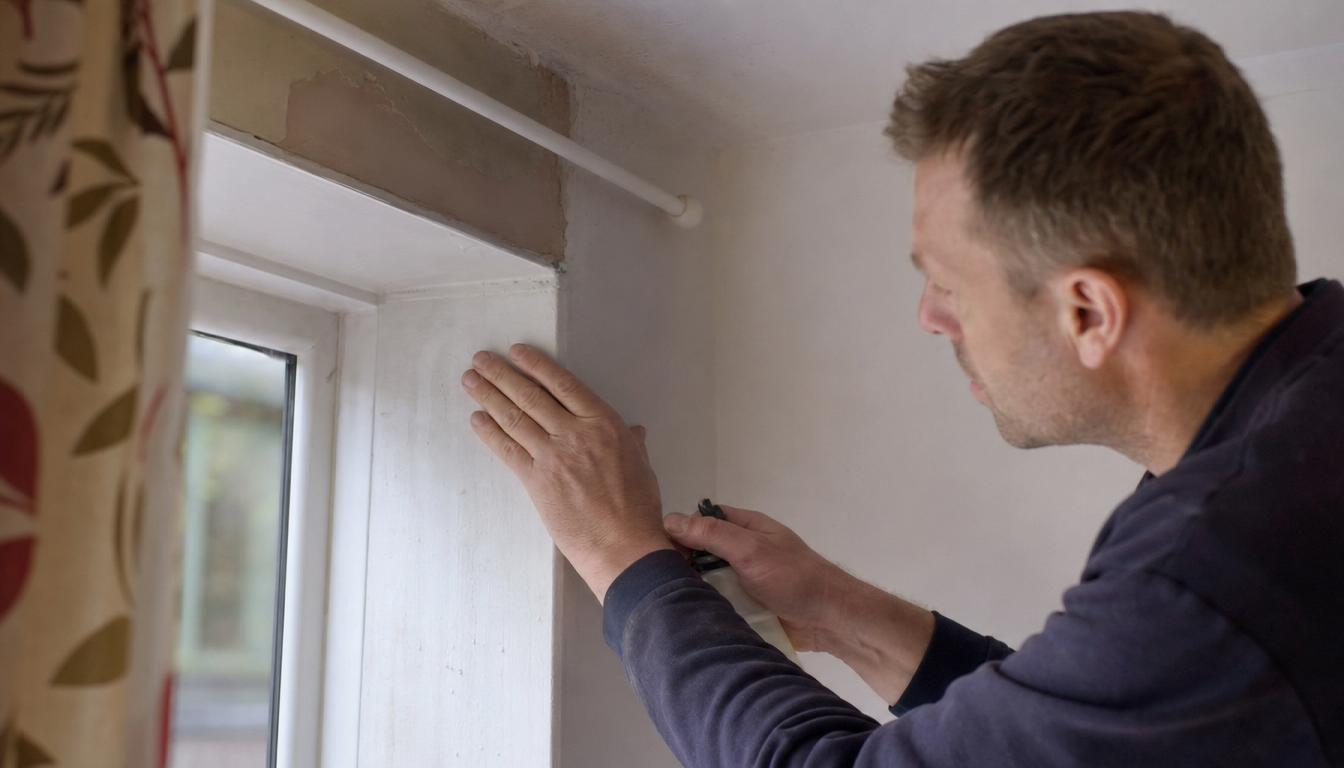
When MouldWatch raises an alert, a qualified engineer is dispatched inside the Awaab's Law window. They arrive with the sensor trend as context, diagnose the root cause, and coordinate the right trade to fix it. The sensor stays in the home and tells us whether the fix worked: risk bands must return to Low and stay there before we close the case.
An established national response service, run by Quidos Protect.
The MouldWatch field network is run by Quidos Protect, the same national operation that answers home-emergency calls for national insurance companies and reinstates homes after fire and flood. Damp and mould cases go through the same intake and prioritisation, and are recorded to the same standard.
And it grows as the law does. Quidos Protect already delivers heating and retrofit work, and will service the Welsh Government's Optimised Retrofit Programme, so when Phase 2 of Awaab's Law brings excess cold in England under the statutory clock, the fix comes from a team that does that work today.
- 24/7/365
- A fully serviced operations centre in Cardiff - alerts, resident reports, and urgent escalation answered every day of the year.
- 80,000+
- Calls and visits already handled a year across the national response services.
- SLA-led
- Intake, prioritisation, mobilisation, and close-out tracked and reported against every window.
- One record
- Every contact, visit, and work order lands in the same MouldWatch case file - no handoff gaps.
Make it safe fast. Fix the cause properly.
Urgent work and root-cause work run on different clocks, so one never waits for the other - and the record shows both were done.
Make safe.
An emergency hazard gets a 24-hour response: stabilise the home, protect the resident, capture the initial evidence. Urgent action is never queued behind a works programme.
Remediate the root cause.
The planned fix targets what the investigation found - ventilation, insulation, leaks, fabric, design - scheduled to SLA and verified by the sensor trend before the case closes.
-
Intake
New case logged, categorised, and routed - from an alert, a resident report, or your instruction, any hour of the year.
-
Prioritise
Severity, vulnerability, and property risk set the SLA path. Vulnerable households move up, in line with the guidance.
-
Mobilise
Survey, remediation resource, and specialist support scheduled nationally, with the trade matched to the job.
-
Close
Evidence pack, technical review, and post-fix sensor verification before the case is allowed to close.